

Aneuploidy screening test in Vijayawada is a sophisticated prenatal test designed to detect whether a fetus has an abnormal number of chromosomes. Chromosomes carry genetic information, and even a single extra or missing chromosome can significantly affect a baby’s physical and intellectual development. Conditions such as Down syndrome (Trisomy 21), Edwards syndrome (Trisomy 18), and Patau syndrome (Trisomy 13) arise due to such chromosomal imbalances. Aneuploidy screening allows expectant parents and Gynecology specialist in Vijayawada to assess the risk of these conditions early in pregnancy, enabling timely decisions, emotional preparedness, and medical planning.
UNDERSTANDING CHROMOSOMAL ABNORMALITIES
Humans normally have 46 chromosomes arranged in 23 pairs. Aneuploidy refers to a deviation from this standard number. This may occur during the formation of egg or sperm cells or during early fetal cell division. When a fetus inherits too many or too few chromosomes, it can result in a spectrum of outcomes ranging from mild developmental delays to severe congenital disorders.
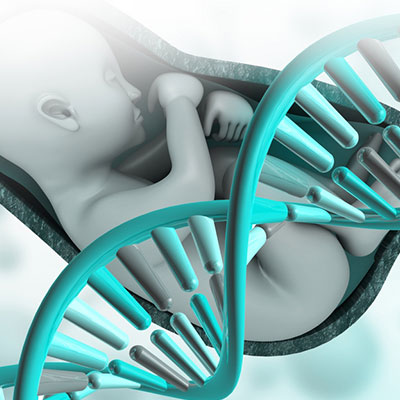
Aneuploidy screening does not provide a definitive diagnosis, but it accurately estimates the probability that a fetus may be affected. If a high risk is detected, confirmatory diagnostic tests such as chorionic villus sampling (CVS) or amniocentesis may be recommended.
WHAT IS ANEUPLOIDY SCREENING?
Aneuploidy screening is a non-invasive or minimally invasive prenatal assessment performed during early pregnancy. It evaluates specific markers in the mother’s blood, often in combination with ultrasound findings, to calculate the likelihood of chromosomal abnormalities.
Modern screening methods for First trimester scan in Vijayawada use advanced biochemical and statistical algorithms, allowing extremely high sensitivity and specificity when compared to older testing models. This has made aneuploidy screening a cornerstone of contemporary prenatal care.
DOUBLE MARKER TEST – A CRITICAL COMPONENT
One of the most widely used first-trimester screening tools is the NT scan with dual marker in Vijayawada. This blood test measures two pregnancy-associated biochemical substances:
- Free Beta Human Chorionic Gonadotropin (β-hCG)
- Pregnancy-Associated Plasma Protein-A (PAPP-A)
These two markers reflect how well the placenta is functioning and how the pregnancy is progressing. Abnormal levels may indicate an increased risk of chromosomal anomalies, particularly Down syndrome and Trisomy 18.
The Double Marker Test is usually performed between 9 and 13 weeks of pregnancy and is often combined with a specialized ultrasound called Nuchal Translucency (NT) scan for enhanced accuracy. Down syndrome screening in Vijayawada offers advanced first-trimester NT scans and prenatal tests with expert obstetric care for early risk assessment.
HOW THE TEST WORKS
The screening process involves a simple maternal blood draw and a targeted ultrasound examination. The biochemical values from the Double Marker Test, along with ultrasound measurements and maternal factors such as age, weight, and gestational age, are processed through a validated risk calculation model.
The results are presented as a probability ratio, for example 1 in 100 or 1 in 10,000. A lower ratio indicates a higher probability of the fetus having a chromosomal abnormality.
CONDITIONS SCREENED THROUGH ANEUPLOIDY TESTING
Aneuploidy screening primarily assesses the risk for the following conditions:
- Down Syndrome (Trisomy 21)
Associated with intellectual disability and characteristic facial features. - Edwards Syndrome (Trisomy 18)
A severe condition often associated with major organ defects. - Patau Syndrome (Trisomy 13)
Leads to serious neurological and physical abnormalities.
Some advanced screening panels may also estimate risk for sex chromosome abnormalities such as Turner syndrome and Klinefelter syndrome.
ADVANTAGES OF EARLY ANEUPLOIDY SCREENING
Early detection provides both medical and emotional advantages for families and clinicians alike. The benefits include:
- Early risk identification allows informed decision-making
- Enables timely confirmatory diagnostic testing if required
- Reduces anxiety by offering reassurance in low-risk pregnancies
- Helps doctors plan appropriate pregnancy and delivery management
- Provides parents with time to prepare medically and emotionally
Because the Double Marker Test is non-invasive, it poses no risk to the fetus, making it an ideal first-line screening tool.
WHO SHOULD CONSIDER ANEUPLOIDY SCREENING?
Although aneuploidy screening is recommended for all pregnant women, it is especially important for:
- Women aged 35 years or above
- Couples with a family history of chromosomal disorders
- Pregnancies conceived through assisted reproductive techniques
- Mothers with previous pregnancies affected by genetic abnormalities
- Those who had abnormal findings in early ultrasound scans
Universal screening has become standard practice due to its high predictive value and safety profile.
INTERPRETING THE RESULTS
It is crucial to understand that aneuploidy screening provides a risk assessment, not a diagnosis. A high-risk result does not confirm a chromosomal disorder, but it indicates the need for further evaluation. Conversely, a low-risk result significantly reduces the likelihood of chromosomal abnormalities but does not eliminate it entirely. Genetic counselling is often recommended to help couples understand their results and make informed choices about follow-up testing.
ANEUPLOIDY SCREENING AS A PART OF MODERN PRENATAL CARE
With advancements in fetal medicine and molecular diagnostics, aneuploidy screening has become an indispensable part of high-quality obstetric care. By combining biochemical markers such as the Double Marker Test with detailed ultrasound and statistical modelling, clinicians can provide highly reliable risk estimates early in pregnancy.
At Neo Life Fetal Scan Centre, aneuploidy screening is delivered with precision, compassion, and the highest standards of fetal imaging, ensuring expectant parents receive clear, reliable guidance at every step. Under the expert leadership of Dr. V Prashanthi, we combine advanced technology with personalized counseling to support informed decisions and confident pregnancies—because early reassurance and accurate insight make all the difference.