

Diagnostic fetal procedures represent the pinnacle of modern prenatal medicine, offering expectant parents and clinicians an unparalleled window into the health, development, and genetic integrity of the unborn child. Fetal Diagnostic procedures in Vijayawada are designed to detect chromosomal abnormalities, genetic disorders, congenital malformations, and intrauterine infections at the earliest possible stage. By combining high-resolution imaging with sophisticated laboratory analysis, diagnostic fetal procedures empower obstetricians to formulate accurate prognoses, guide pregnancy management, and, in many cases, initiate life-saving interventions even before birth.
UNDERSTANDING THE ROLE OF FETAL DIAGNOSTICS
Pregnancy is a period of extraordinary biological complexity, and even subtle deviations in fetal development can have profound lifelong consequences. Diagnostic fetal procedures go beyond routine screening tests by delivering definitive answers rather than probability-based estimates. They are typically recommended when:
- Prenatal screening suggests an increased risk of genetic or structural abnormalities
- There is a family history of inherited disorders
- The mother is of advanced maternal age
- Ultrasound findings reveal suspicious or unclear anomalies
- Previous pregnancies were affected by congenital conditions
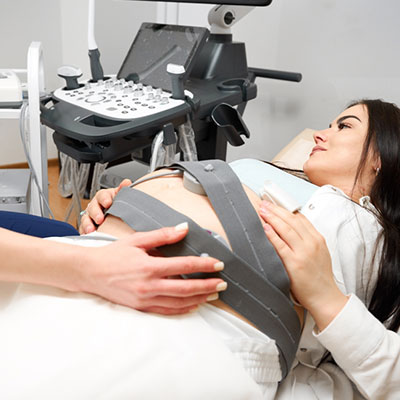
Through precise sampling of fetal cells or fluids, these procedures allow for in-depth genetic, biochemical, and microbiological evaluation.
COMMON TYPES OF DIAGNOSTIC FETAL PROCEDURES
Several highly specialized techniques are used in fetal diagnosis, each tailored to a specific clinical indication and gestational age.
Chorionic Villus Sampling (CVS)
CVS involves collecting a small sample of placental tissue between the 10th and 13th weeks of pregnancy. This tissue contains fetal genetic material, making it ideal for detecting chromosomal and inherited disorders at an early stage.
Amniocentesis
Performed usually after 15 weeks of gestation, amniocentesis extracts a small amount of amniotic fluid surrounding the fetus. The fluid contains fetal cells and biochemical substances that can reveal genetic, metabolic, and neural tube defects.
Cordocentesis (Percutaneous Umbilical Blood Sampling)
This advanced technique involves sampling blood directly from the umbilical cord. It is used to diagnose fetal anemia, infections, blood disorders, and certain genetic conditions when rapid and highly accurate results are required.
CONDITIONS DIAGNOSED THROUGH FETAL TESTING
Diagnostic fetal procedures along with Fetal therapy treatment in Vijayawada can identify a wide spectrum of disorders that may affect fetal health and postnatal quality of life, including:
- Chromosomal abnormalities such as Down syndrome, Edwards syndrome, and Patau syndrome
- Single-gene disorders like thalassemia, cystic fibrosis, and muscular dystrophy
- Congenital infections including toxoplasmosis and cytomegalovirus
- Structural anomalies affecting the brain, heart, spine, and abdominal organs
- Blood group incompatibilities and fetal anemia
Early diagnosis enables families and clinicians to make informed decisions and plan appropriate care strategies.
SAFETY, ACCURACY, AND RISK ASSESSMENT
Modern diagnostic fetal procedures and Targeted anomaly scan in Vijayawada are performed under continuous ultrasound guidance by highly trained specialists, significantly reducing procedural risks. While these tests are invasive and carry a small chance of complications, their diagnostic accuracy is remarkably high, often exceeding 99% for many genetic conditions.
Key safety advantages include:
- Precise needle placement guided by real-time imaging
- Minimal disturbance to fetal and placental structures
- Strict sterile techniques to prevent infection
- Continuous monitoring of fetal well-being
A thorough pre-procedure consultation ensures that benefits clearly outweigh potential risks for each individual case.
BENEFITS OF EARLY AND ACCURATE FETAL DIAGNOSIS
The value of diagnostic fetal procedures and Level 2 scan in Vijayawada extends far beyond confirmation of a medical condition. They provide clarity, emotional preparedness, and clinical direction during one of life’s most delicate phases.
Major benefits include:
- Early detection allowing timely medical or surgical planning
- Personalized pregnancy management based on confirmed diagnoses
- Psychological reassurance for parents when results are normal
- Informed decision-making regarding treatment, delivery, and neonatal care
- Improved long-term outcomes through early intervention
THE FUTURE OF DIAGNOSTIC FETAL MEDICINE
With rapid advances in molecular genetics, imaging technology, and fetal therapy, diagnostic fetal procedures continue to evolve in accuracy and scope. Integration with next-generation DNA analysis and three-dimensional ultrasound is transforming prenatal care into a highly predictive and preventive discipline. These innovations are paving the way for a future where many congenital and genetic conditions can be anticipated, managed, and even treated before a child is born—ushering in a new era of hope, precision, and compassionate care for families worldwide.
At Neo Life Fetal Scan Center, diagnostic fetal procedures and fetal therapy are delivered with the highest standards of precision, safety, and compassion. Under the expert guidance of Dr. V. Prashanthi, every evaluation and intervention is thoughtfully planned, evidence-based, and tailored to the unique needs of both mother and baby. With advanced technology, ethical care, and a deep commitment to maternal–fetal well-being, Neo Life remains a trusted partner for families navigating complex pregnancies—offering clarity, confidence, and hope at every step.